
Blog
TB-500 5mg Injection: What You Need to Know
Aug
TB-500 5mg Injection: What You Need to Know
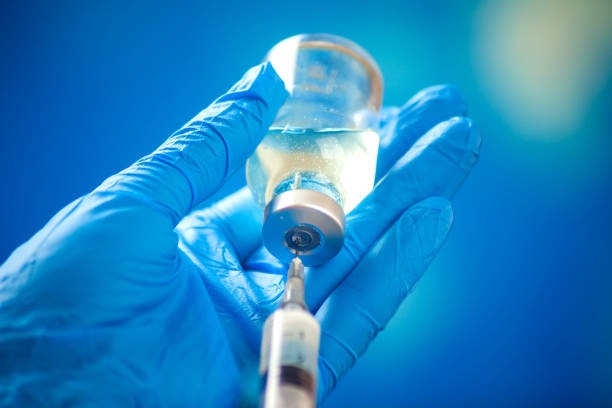
TB-500 5mg Injection: What You Need to Know. TB-500 5mg Injection is a peptide product that attracts interest among people researching tissue repair, recovery, and performance-related compounds. TB-500 is commonly described as a synthetic peptide associated with thymosin beta-4, a naturally occurring peptide involved in several biological processes. However, TB-500 remains an investigational compound, and evidence for its safety and effectiveness in humans is limited.
Anyone researching TB-500 should understand what the compound is, what researchers study it for, and why professional medical guidance matters before considering any injectable peptide.
What Is TB-500?
TB-500 is commonly identified as a synthetic version or fragment related to thymosin beta-4. Thymosin beta-4 occurs naturally in the body and participates in processes involving cellular movement, tissue maintenance, and blood-vessel development.
The 5mg designation refers to the amount of peptide contained in a product. It does not establish a medically appropriate dose or guarantee a particular therapeutic effect. Injectable peptide products can also vary considerably in formulation, sterility, quality, and manufacturing standards.
For this reason, the label alone does not provide enough information to determine whether a TB-500 product is suitable or safe for an individual.

Why Does TB-500 Attract Attention?
Interest in TB-500 largely comes from research into thymosin beta-4 and its possible role in tissue-related biological processes. Researchers examine thymosin beta-4 in areas such as cellular migration, wound repair, inflammation, and vascular development.
These biological activities create interest in potential applications involving recovery and tissue regeneration. Nevertheless, laboratory findings do not automatically translate into proven benefits for people.
A compound can demonstrate interesting biological activity in laboratory or animal research while still requiring substantial human research before medical professionals can determine its effectiveness, appropriate use, and long-term safety.
Potential Research Areas
Research surrounding thymosin beta-4 explores several biological pathways. One important area involves cell migration, which contributes to normal tissue repair. Researchers also examine relationships between thymosin beta-4 and processes associated with angiogenesis, or the formation of new blood vessels.
Other research investigates possible interactions with inflammation and tissue remodeling. These mechanisms help explain why TB-500 receives attention within peptide research communities.
However, these areas should remain clearly separated from established medical claims. Research interest does not mean that TB-500 is an approved treatment for injuries, chronic conditions, muscle damage, or other health problems.
Understanding the 5mg Format
A TB-500 5mg product generally indicates the quantity of peptide supplied in the container. The number should not be interpreted as a recommended administration amount.
Injectable products require particular attention to sterility and preparation because contamination can create significant health risks. Product quality also depends on manufacturing controls, storage conditions, packaging, and testing.
Anyone encountering TB-500 online should therefore evaluate the source carefully rather than relying only on the stated peptide concentration or marketing claims.
Safety Considerations
Safety represents one of the most important considerations surrounding investigational peptides. Human safety data for TB-500 are limited, particularly regarding long-term exposure and different populations.
Potential concerns with injectable products include injection-site reactions, contamination, allergic responses, incorrect product composition, and interactions with other substances. The risks can become greater when products come from unverified sources or lack appropriate quality-control documentation.
People with medical conditions, those taking prescription medicines, and individuals preparing for surgery should discuss any peptide-related product with a qualified healthcare professional.
Why Product Quality Matters
The quality of an injectable peptide can vary depending on the manufacturer and supply chain. A professionally manufactured pharmaceutical product generally follows controlled standards for identity, purity, sterility, and consistency. Products sold through unregulated channels may not provide equivalent assurances.
When evaluating a TB-500 product for research purposes, useful questions include whether the manufacturer provides independent testing, whether the product has clear labeling, and whether appropriate storage and handling information is available.
A certificate of analysis can provide information about testing, although consumers should also consider whether the testing laboratory is credible and whether the documentation corresponds to the specific product batch.
TB-500 and Athletic Recovery
TB-500 sometimes receives attention in sports and fitness communities because of claims surrounding recovery and physical performance. However, research interest should not be confuse with establishe performance benefits.
Athletes should also consider sports-governing rules before using any investigational peptide. Substances that are not approve medicines can carry regulatory or anti-doping implications depending on the sport and governing organization.
Rather than relying on promotional claims, athletes can discuss recovery strategies with qualified sports-medicine professionals and use evidence-based approaches involving training, nutrition, sleep, and appropriate rehabilitation.
Medical Supervision Is Important
Because TB-500 is an investigational peptide rather than a routinely approved therapeutic option, professional guidance is particularly important. A healthcare professional can help assess whether a person’s symptoms require diagnosis, imaging, rehabilitation, or another established treatment.
Self-directed use of injectable compounds can also delay appropriate medical evaluation. Pain, swelling, restricted movement, or prolonged recovery can indicate an underlying problem that requires proper assessment.
Research Versus Proven Treatment
One of the most important distinctions when reading about TB-500 is the difference between research findings and clinical evidence.
Research may identify interesting mechanisms involving thymosin beta-4. Clinical medicine, however, requires stronger evidence from well-designed human studies that evaluate benefits, risks, dosing, interactions, and long-term outcomes.
Until sufficient evidence is available, TB-500 should not be present as a proven treatment for injury recovery, wound healing, inflammation, or athletic performance.
Final Thoughts
TB-500 5mg Injection represents an area of ongoing peptide research, particularly because of scientific interest in thymosin beta-4 and its relationship with cellular and tissue processes. The compound attracts attention for its potential biological applications, but limited human evidence means that important questions about safety and effectiveness remain.
Anyone researching TB-500 should approach online claims carefully, distinguish laboratory research from established medical evidence, and avoid assuming that a 5mg label represents a recommended treatment amount. For health-related decisions, consultation with a qualified healthcare professional offers a safer and more reliable approach than self-directed use of an investigational injectable peptide.
