
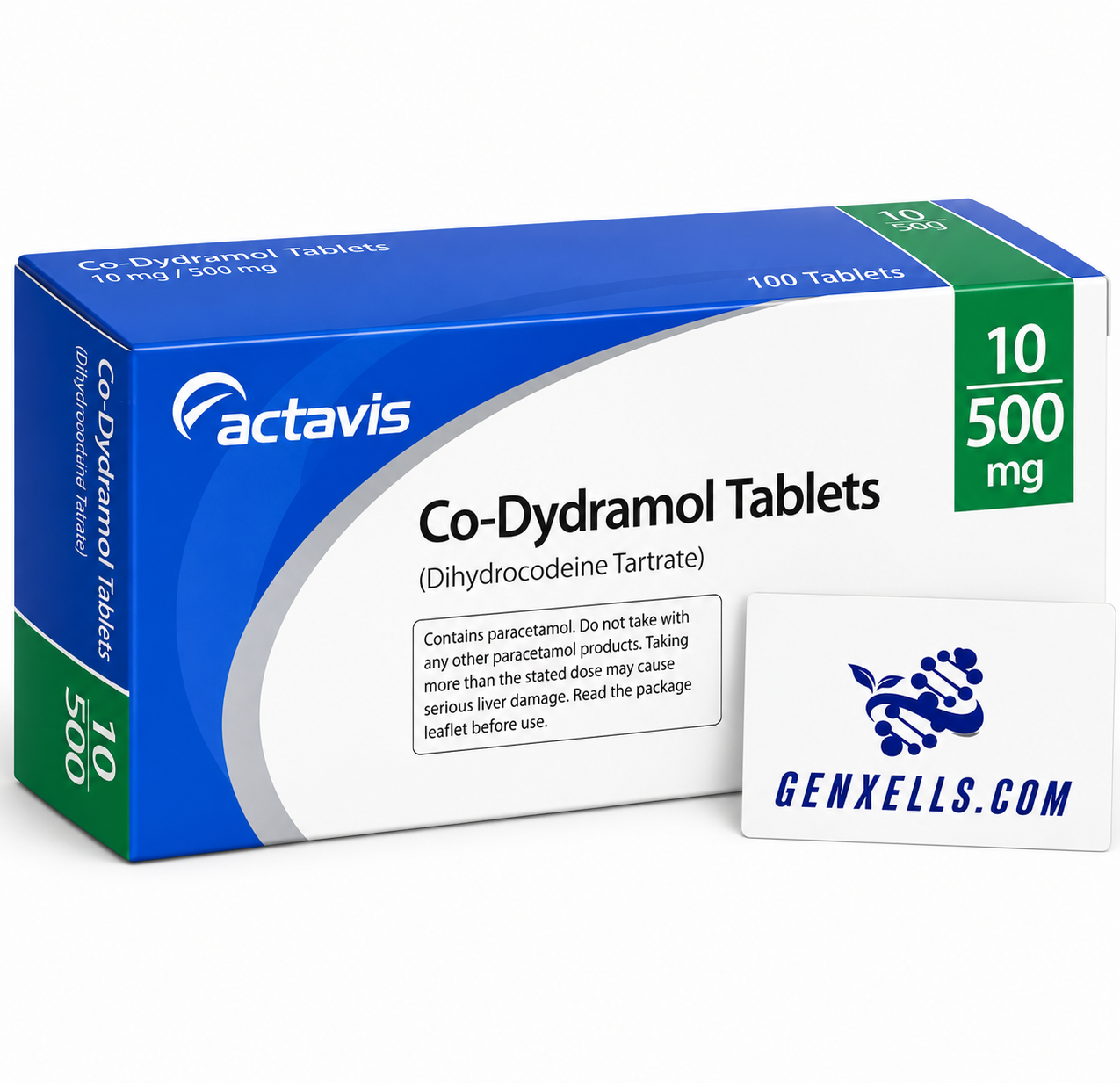

Buy Co-dydramol 10mg/500mg Tablets Online
Buy Co-dydramol 10mg/500mg Tablets Online are prescription pain-relief medicines that combine 10 mg of dihydrocodeine tartrate with 500 mg of paracetamol. They are commonly prescribed for the relief of mild to moderate pain when other pain-relieving medicines alone have not provided sufficient relief. Dihydrocodeine is an opioid analgesic, while paracetamol helps reduce pain and fever. Because the medicine contains an opioid, it carries important risks, including dependence, addiction, misuse, and respiratory depression, and should only be used under the supervision of a qualified healthcare professional.
Co-dydramol is intended for carefully selected patients based on their medical condition, pain severity, and overall health. Healthcare professionals generally recommend using the lowest effective dose for the shortest appropriate duration to reduce the risk of opioid-related complications.
For educational health information and wellness resources:
Website: https://genxells.com/
Email: info@genxells.com
What are Co-dydramol 10mg/500mg Tablets?
Each Co-dydramol tablet contains:
- 10 mg dihydrocodeine tartrate
- 500 mg paracetamol
The two medicines work together to provide greater pain relief than either ingredient alone for appropriate patients. Healthcare professionals may prescribe Co-dydramol when non-opioid pain medicines alone have not adequately controlled pain.
Healthcare professionals may prescribe Co-dydramol for:
- Mild to moderate pain
- Musculoskeletal pain
- Pain following injury
- Certain postoperative pain
- Other painful conditions where combination analgesia is considered appropriate
How Does Co-dydramol Work?
Paracetamol helps relieve pain and reduce fever through actions within the central nervous system, while dihydrocodeine acts on opioid receptors in the brain and spinal cord to reduce the perception of pain. Together, these ingredients provide complementary pain relief.
Medical Uses
Mild to Moderate Pain
The primary approved use of Co-dydramol is the treatment of mild to moderate pain that requires stronger relief than paracetamol alone.
Postoperative Recovery
Following certain surgical procedures, healthcare professionals may include Co-dydramol in a short-term pain management plan when clinically appropriate.
Injury-Related Pain
Sprains, fractures, and soft tissue injuries may occasionally require combination pain relief under medical supervision.
Selected Chronic Pain Conditions
In selected patients, healthcare professionals may prescribe Co-dydramol as part of a broader pain management strategy, with regular review of treatment benefits and risks.
Potential Benefits
When prescribed appropriately and used exactly as directed, Co-dydramol may help:
- Relieve mild to moderate pain
- Improve comfort during recovery
- Reduce pain that has not responded adequately to paracetamol alone
- Support mobility and daily activities
- Improve short-term quality of life while painful conditions are treated
These benefits should always be weighed against the potential risks associated with opioid medicines.
Important Safety Information
Risk of Dependence
Because Co-dydramol contains dihydrocodeine, repeated or prolonged use may result in tolerance, physical dependence, misuse, or addiction. Healthcare professionals usually discuss treatment duration and how to stop the medicine safely if it is no longer needed.
Do Not Combine with Other Paracetamol Products
Each tablet contains 500 mg of paracetamol. Taking additional medicines containing paracetamol may increase the risk of severe liver damage. Always check medicine labels before taking any additional pain relievers.
Respiratory Depression
Like other opioid medicines, dihydrocodeine can slow breathing, especially when combined with alcohol, benzodiazepines, sleeping tablets, or other opioid medicines. Seek immediate medical attention if severe drowsiness or breathing difficulties occur.
Common Side Effects
Possible side effects include:
- Drowsiness
- Dizziness
- Constipation
- Nausea
- Vomiting
- Headache
- Abdominal discomfort
- Dry mouth
- Fatigue
Most side effects are mild and temporary, but persistent or severe symptoms should be discussed with a healthcare professional.
Drug Interactions
Co-dydramol may interact with:
- Alcohol
- Benzodiazepines
- Other opioid medicines
- Sedative medications
- Certain antidepressants
- Warfarin
- Medicines containing paracetamol
Always tell your healthcare provider about all prescription medicines, over-the-counter products, herbal remedies, and dietary supplements you use before starting treatment.
Who Should Use Extra Caution?
Additional medical supervision may be recommended for people with:
- Liver disease
- Kidney disease
- Chronic breathing disorders
- Asthma
- Thyroid disorders
- Older age
- History of substance misuse
- Previous opioid dependence
Healthcare professionals assess these factors before prescribing Co-dydramol.
Responsible Use
To help ensure safe treatment:
- Take the medicine exactly as prescribed.
- Never exceed the prescribed dose.
- Do not take additional paracetamol-containing medicines unless advised.
- Avoid alcohol during treatment.
- Never share prescription medicines.
- Store the medicine securely.
- Do not stop long-term treatment suddenly without medical advice.
- Attend scheduled follow-up appointments if ongoing treatment is required.
Responsible opioid use helps reduce the risk of dependence, withdrawal symptoms, and accidental overdose.
Storage
Store Co-dydramol Tablets:
- At room temperature.
- Away from excessive heat and moisture.
- Out of the reach of children and pets.
- In the original packaging whenever possible.
Dispose of unused medicines through a pharmacy or according to local healthcare authority recommendations.
Frequently Asked Questions
What are Co-dydramol 10mg/500mg Tablets used for?
They are prescribed for the relief of mild to moderate pain when stronger pain relief than paracetamol alone is required.
Does Co-dydramol contain an opioid?
Yes. It contains dihydrocodeine, an opioid pain medicine that carries risks of dependence and addiction.
Can Co-dydramol become habit-forming?
Yes. Repeated or prolonged use may lead to physical dependence and addiction risk. Treatment should always be supervised by a qualified healthcare professional.
Why should I avoid other paracetamol medicines?
Because each tablet already contains 500 mg of paracetamol, taking additional paracetamol may increase the risk of serious liver injury.
What are the most common side effects?
Common side effects include drowsiness, dizziness, constipation, nausea, headache, vomiting, and abdominal discomfort.
Learn More
For educational health information and wellness resources:
Website: https://genxells.com/
Email: info@genxells.com
Final Thoughts
Co-dydramol 10mg/500mg Tablets combine paracetamol and dihydrocodeine to help manage mild to moderate pain when prescribed appropriately. While they can provide effective pain relief for selected patients, they also carry important risks, including dependence, addiction, respiratory depression, and interactions with other medicines. Using the medicine exactly as directed, avoiding duplicate paracetamol products, and maintaining regular communication with a healthcare professional are essential for safe and effective treatment. Understanding how Co-dydramol works and following responsible prescribing guidance supports informed decisions and promote the safe use of prescription pain medicines.
| Quantity | 1 box, 2 boxes, 4 boxes |
|---|
1 review for Buy Co-dydramol 10mg/500mg Tablets Online
Add a review
Related products

Komag –
A smooth and professional experience from start to finish. The website was easy to navigate, the service was reliable, and everything went perfectly. Highly recommended!