
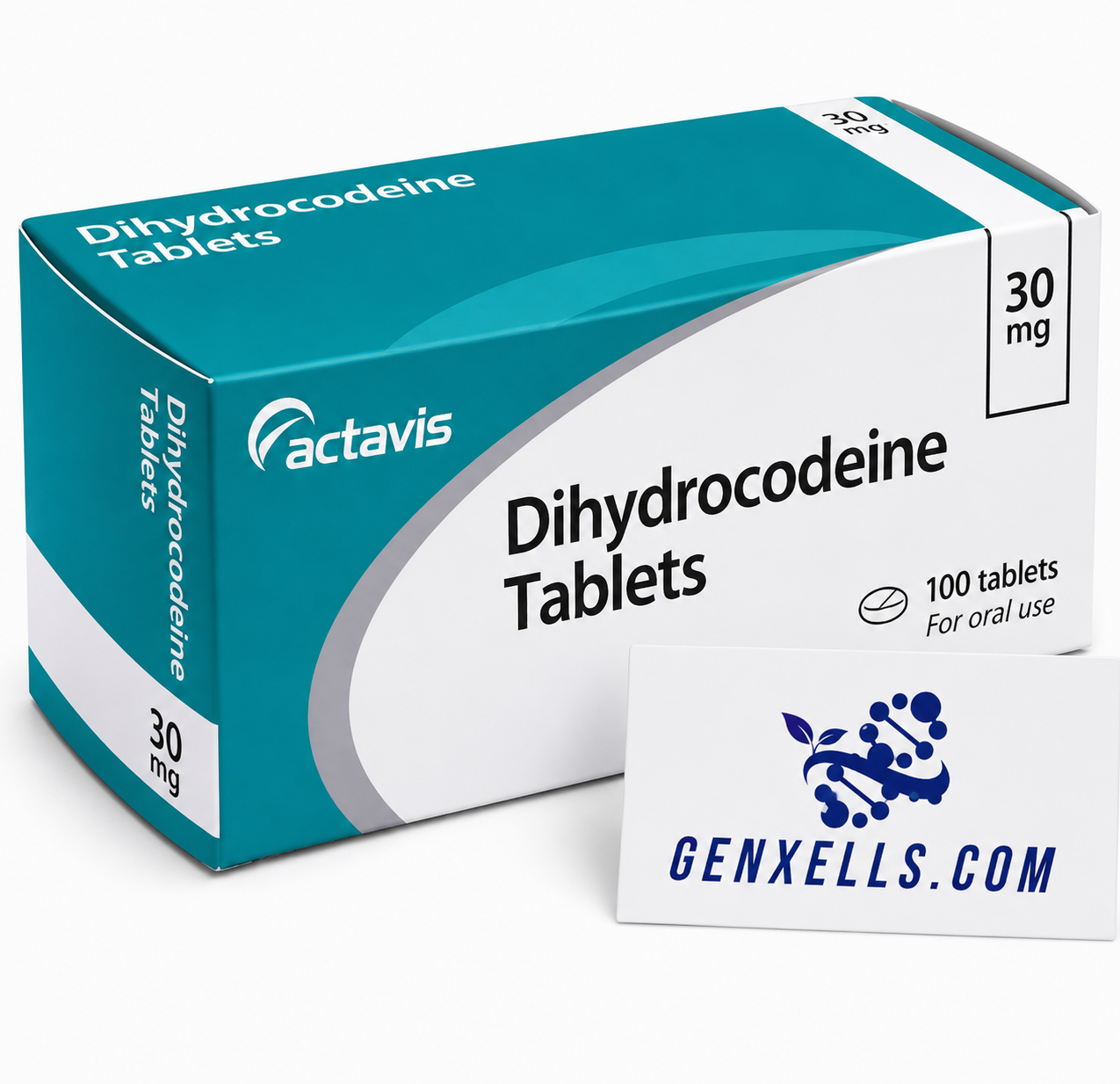

Buy Dihydrocodeine 30mg Tablets Online
Buy Dihydrocodeine 30mg Tablets Online are prescription opioid pain-relief medicines used to help manage moderate to severe pain when treatment with non-opioid pain medicines is not sufficient. Dihydrocodeine belongs to the opioid analgesic class and works by changing the way the brain and spinal cord respond to pain. Because opioids carry important risks, including dependence, misuse, addiction, overdose, and respiratory depression, Dihydrocodeine 30mg Tablets should only be used under the supervision of a qualified healthcare professional. (NHS, Electronic Medicines Compendium)
When prescribed appropriately and taken exactly as directed, dihydrocodeine can provide effective pain relief for carefully selected patients. Treatment decisions should always consider the patient’s medical history, pain severity, and overall health.
For educational health information and wellness resources:
Website: https://genxells.com/
Email: info@genxells.com
What Are Dihydrocodeine 30mg Tablets?
Dihydrocodeine is a prescription opioid analgesic that is available in immediate-release and modified-release formulations. The 30mg immediate-release tablet is commonly prescribed for short-term management of pain that has not responded adequately to medicines such as paracetamol or nonsteroidal anti-inflammatory drugs (NSAIDs). In some circumstances, healthcare professionals may prescribe it for other approved indications based on individual clinical needs. (NHS)
Healthcare professionals may prescribe Dihydrocodeine 30 mg tablets for:
- Moderate to severe pain
- Pain following surgery
- Injury-related pain
- Certain chronic pain conditions, when appropriate
- Other painful conditions after clinical assessment
How Does Dihydrocodeine Work?
Dihydrocodeine acts on opioid receptors located in the brain and spinal cord. By altering the way pain signals are processed, it reduces the perception of pain and helps improve comfort. Because it also affects the central nervous system, it may cause drowsiness and slowed reaction times. Patients should follow all medical advice regarding driving and other activities requiring alertness. (NHS)
Medical Uses
Moderate to Severe Pain
The primary indication for Dihydrocodeine 30mg Tablets is the treatment of moderate to severe pain when non-opioid medicines alone have not provided sufficient relief.
Postoperative Pain
Healthcare professionals may prescribe dihydrocodeine after certain surgical procedures as part of a comprehensive pain management plan.
Injury-Related Pain
Fractures, sprains, and other painful injuries may occasionally require opioid pain relief under close medical supervision.
Selected Chronic Pain Conditions
For some patients with persistent pain, healthcare professionals may prescribe opioid medicines after carefully evaluating the potential benefits and risks. Regular treatment reviews are essential during long-term therapy.
Potential Benefits
When prescribed appropriately, Dihydrocodeine 30 mg tablets may help:
- Relieve moderate to severe pain
- Improve comfort during recovery
- Support daily activities while pain is controlled
- Reduce pain that has not responded to non-opioid medicines
- Improve the short-term quality of life for selected patients
The expected benefits should always be balanced against the known risks associated with opioid medicines.
Important Safety Information
Risk of Dependence and Addiction
Repeated or prolonged use of opioid medicines may lead to tolerance, physical dependence, misuse, or addiction. Healthcare professionals usually prescribe the lowest effective dose for the shortest appropriate duration and regularly reassess whether ongoing treatment remains necessary. (Electronic Medicines Compendium)
Respiratory Depression
Dihydrocodeine can slow breathing, particularly when treatment begins, doses are increased, or it is combined with alcohol, benzodiazepines, sleeping medicines, or other opioids. Severe breathing difficulties require immediate medical attention.
Drowsiness and Impaired Alertness
Because opioid medicines commonly cause drowsiness, dizziness, and reduced concentration, patients should avoid driving or operating machinery if affected.
Common Side Effects
Like all medicines, Dihydrocodeine 30mg Tablets may cause side effects.
Common side effects include:
- Drowsiness
- Constipation
- Nausea
- Vomiting
- Dizziness
- Dry mouth
- Sweating
- Fatigue
- Headache
Many side effects improve as treatment continues, but persistent or severe symptoms should be discussed with a healthcare professional.
Drug Interactions
Dihydrocodeine may interact with:
- Alcohol
- Other opioid medicines
- Benzodiazepines
- Sleeping tablets
- Certain antidepressants
- Muscle relaxants
- Other medicines that depress the central nervous system
Patients should inform their healthcare professional about all prescription medicines, over-the-counter products, vitamins, herbal medicines, and dietary supplements before starting treatment.
Who Should Use Extra Caution?
Additional monitoring may be recommended for people with:
- Chronic lung disease
- Sleep apnea
- Liver disease
- Kidney disease
- Thyroid disorders
- Older age
- History of substance misuse
- Previous opioid dependence
Healthcare professionals assess these factors before prescribing opioid medicines.
Responsible Use
To help ensure safe treatment:
- Take the medicine exactly as prescribed.
- Never increase your dose without medical advice.
- Avoid alcohol during treatment.
- Never share prescription medicines.
- Store opioid medicines securely away from children and others.
- Attend regular follow-up appointments.
- Do not stop long-term opioid treatment suddenly without professional guidance.
Responsible opioid use helps reduce the risk of dependence, withdrawal symptoms, and accidental overdose.
Storage
Store Dihydrocodeine 30mg Tablets:
- At room temperature.
- Away from heat and moisture.
- In the original packaging.
- Out of the reach of children and pets.
Dispose of unused medicines through a pharmacy or according to local healthcare guidance.
Frequently Asked Questions
What are Dihydrocodeine 30mg Tablets used for?
They are prescribed to relieve moderate to severe pain when non-opioid pain medicines have not provided sufficient relief.
Is Dihydrocodeine an opioid?
Yes. Dihydrocodeine is an opioid analgesic used to treat pain under medical supervision.
Can Dihydrocodeine cause dependence?
Yes. Long-term or repeated use may lead to physical dependence, tolerance, misuse, or addiction. A healthcare professional should always monitor treatment.
What are the most common side effects?
Common side effects include drowsiness, constipation, nausea, dizziness, vomiting, dry mouth, and fatigue.
Can I stop taking Dihydrocodeine suddenly?
If you have taken it regularly for an extended period, your healthcare professional may recommend gradually reducing the dose to minimise withdrawal symptoms.
Learn More
For educational health information and wellness resources:
Website: https://genxells.com/
Email: info@genxells.com
Final Thoughts
Dihydrocodeine 30 mg tablets are prescription opioid medicines used to help manage moderate to severe pain in carefully selected patients. When prescribed appropriately and taken exactly as directed, they can provide meaningful pain relief and improve quality of life during recovery or ongoing treatment. However, they also carry important risks, including dependence, addiction, respiratory depression, and interactions with other medicines. Understanding how Dihydrocodeine works, following professional medical advice, and using the medicine responsibly are essential to maximising benefits while minimising risks. Patients should always consult a qualified healthcare professional regarding diagnosis, treatment, dosage, and ongoing monitoring.
| Quantity | 1box, 2 boxes, 4 boxes, 5 boxes |
|---|
1 review for Buy Dihydrocodeine 30mg Tablets Online
Add a review
Related products



Pills

Mifap –
Excellent service and a very professional experience. The ordering process was simple, communication was fast, and everything was handled efficiently. I would happily use this service again.